
Serengeti. Ngorongoro. Zanzibar - The Girls Trip Series Is Going to Tanzania.
There are destinations that have been sitting on the Girls Trip Series list since the very beginning. Places I have been quietly building toward, waiting until I knew we could do them right. Tanzania is one of those places. And I am not exaggerating when I say that this one feels different…even before we've gone.
We are launching our Tanzania trip this Sunday, and I have been counting down to this moment for a long time. Not just because of the itinerary, which is genuinely one of the most complete and well-designed journeys we have ever put together, but because of what Tanzania represents. It is the kind of destination that asks something of you. It asks you to show up fully, to look up, to stay off your phone, to be present in a way that modern life rarely makes room for. And it rewards that presence with something I truly believe cannot be found anywhere else on earth.
So consider this your inside look. I want you to understand exactly what we're stepping into before Sunday, because once you read this, I think you'll want to be on that waitlist before the doors even open.
The Idea Behind This Journey
Like all of our trips at The Girls Trip Series, I’ve taken my favourite solo travel experiences and recreated them for women to experience for themselves. I first found myself in Tanzania at the young age of 21, so bringing back a group of incredible women on a life-changing adventure feels like a full-circle moment. This is a nine-day experience that combines two sides of Tanzania that are rarely given equal weight: the safari and the sea. Most Tanzania itineraries treat the beach as a bonus, something tacked on at the end to extend the trip. We designed this one differently. The movement from the wild interior of the northern safari circuit to the languid coast of Zanzibar is intentional. It is an arc. It has a beginning, a middle, and a resolution. By the time you're sitting at the edge of the Indian Ocean on day seven, you will understand exactly why the journey was built the way it was.
We move through four destinations: Tarangire National Park, the Serengeti, the Ngorongoro Crater, and Zanzibar. Each one is distinct. Each one is extraordinary. Together, they form a portrait of Tanzania that is as complete as any nine-day journey can offer.
Arusha: The Arrival
You land at Kilimanjaro International Airport, which is already a sentence worth sitting with for a moment. Kilimanjaro. You are met on arrival and transferred into Arusha, the gateway city to Tanzania's northern safari circuit. The day has no activities planned except for our welcome meeting at 6 PM. The first evening is yours to settle in and find your bearings, to meet your fellow travellers over dinner, to let the reality that you are actually here sink in properly. The energy of trip kickoffs is one of my favourite things in the world. A room full of women who have all independently decided that this year, they are doing the thing. That first night always sets the tone, and the tone in Tanzania is going to be electric.
Tarangire: The First Time the Wild Asks for Your Attention
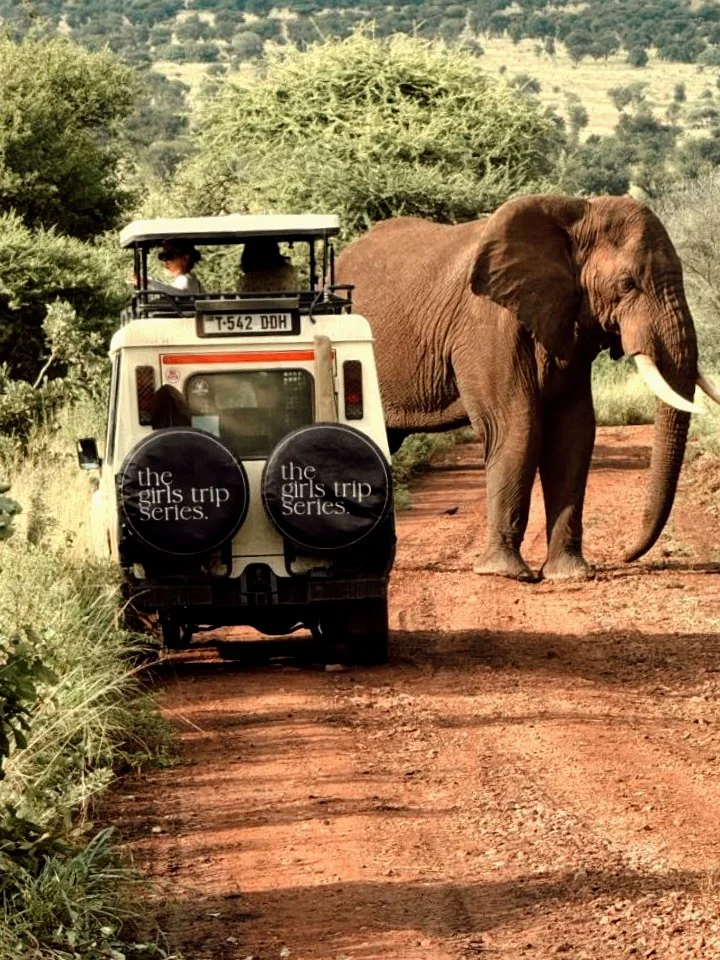
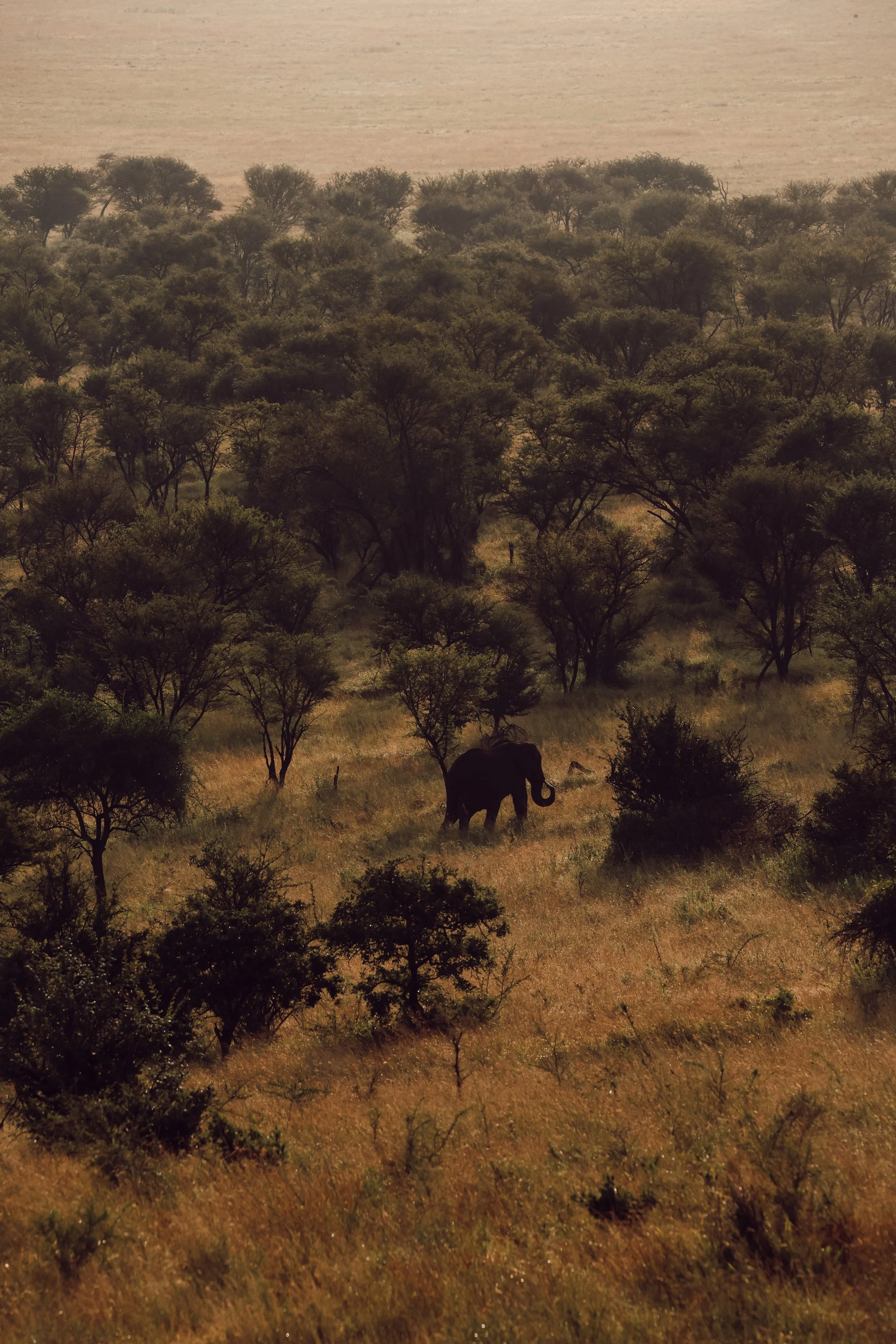
I want to tell you something about Tarangire that often gets lost in the conversation about Tanzania's iconic parks. It is not the opening act before the real show. It’s an important part of the entire show, and it will surprise you. Tarangire is home to one of the largest elephant populations in Africa. I want you to picture that. Not an elephant at a zoo. Not a photograph. A herd of elephants moving through a landscape dotted with ancient baobab trees that have been standing since before your great-great-grandmother was born, trees so wide and so strange in shape that they look like something from a dream, moving with a slow, authoritative grace that makes every other thing feel very small and very quiet. You will spend a full day on game drives here, and by the time the afternoon light drops low and golden across the park, you will already understand that this trip is going to change something in you.
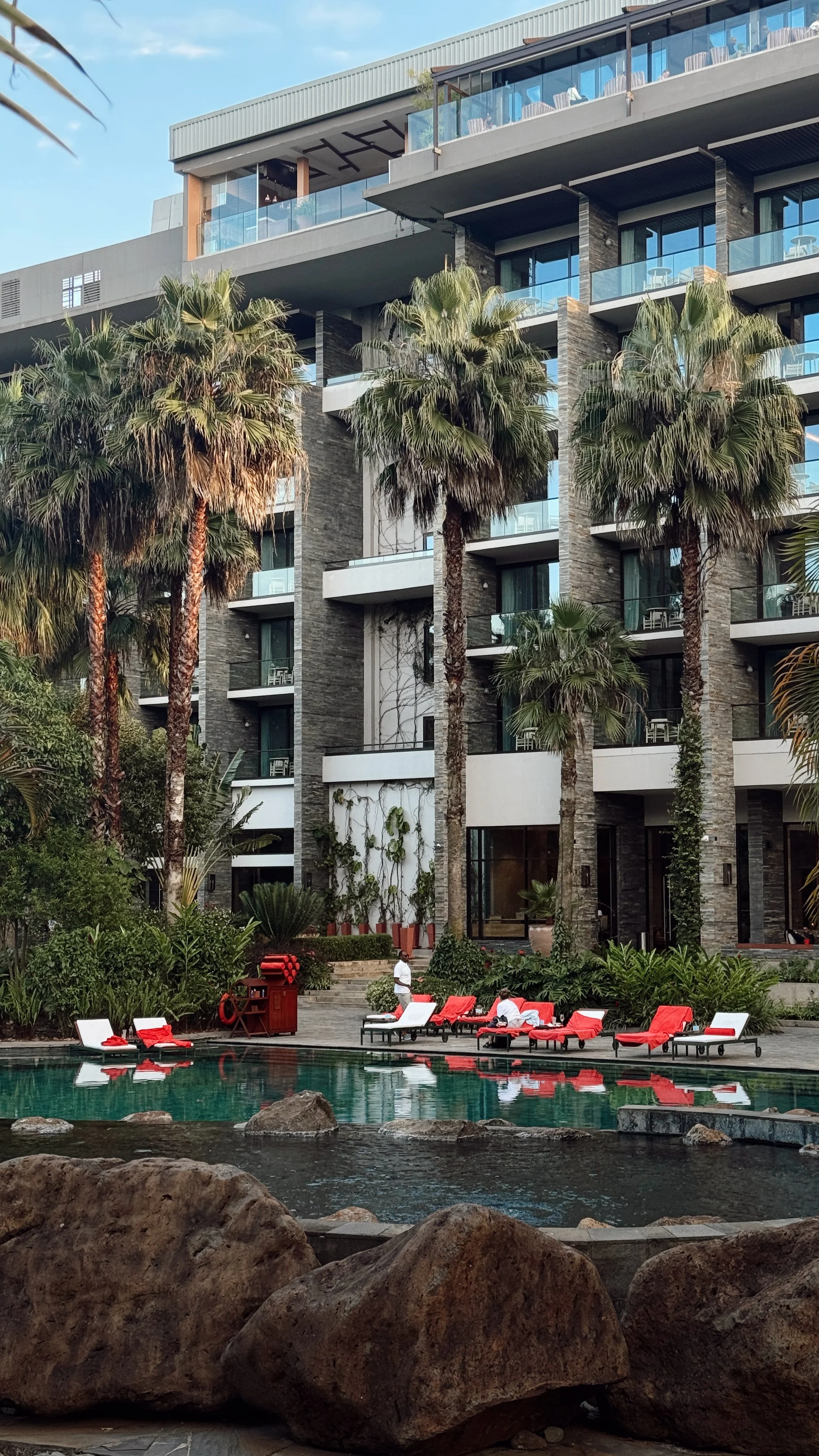
That evening, we’ll check into our first safari lodge of the trip, and I say this with full awareness of how it sounds and full confidence that it is exactly as incredible as it sounds. The sounds outside your tent at night are not the sounds of a city. They are the sounds of a continent that has been doing its thing for millions of years and does not need your presence to continue doing it beautifully.
Tarangire to Serengeti: The Scenic Drive and the Maasai Village
The road from Tarangire to the Serengeti passes through the Ngorongoro Conservation Area, and this stretch alone is worth the journey. The Maasai have lived on this land for centuries, long before it was designated a conservation area, and their continued presence here is not incidental. It is part of the ecosystem. When the Ngorongoro Conservation Area was established in 1959, the Maasai were the only community permitted to remain, recognized as stewards of a landscape their ancestors shaped. Today, tourism plays a direct role in sustaining that relationship, with visitor fees and community-based programs channeling resources back into Maasai villages for schools, water, healthcare, and infrastructure. When we stop at a village along the way, we are not observing a cultural performance. We are participating in an economy that keeps a living culture intact on its own land, on its own terms.
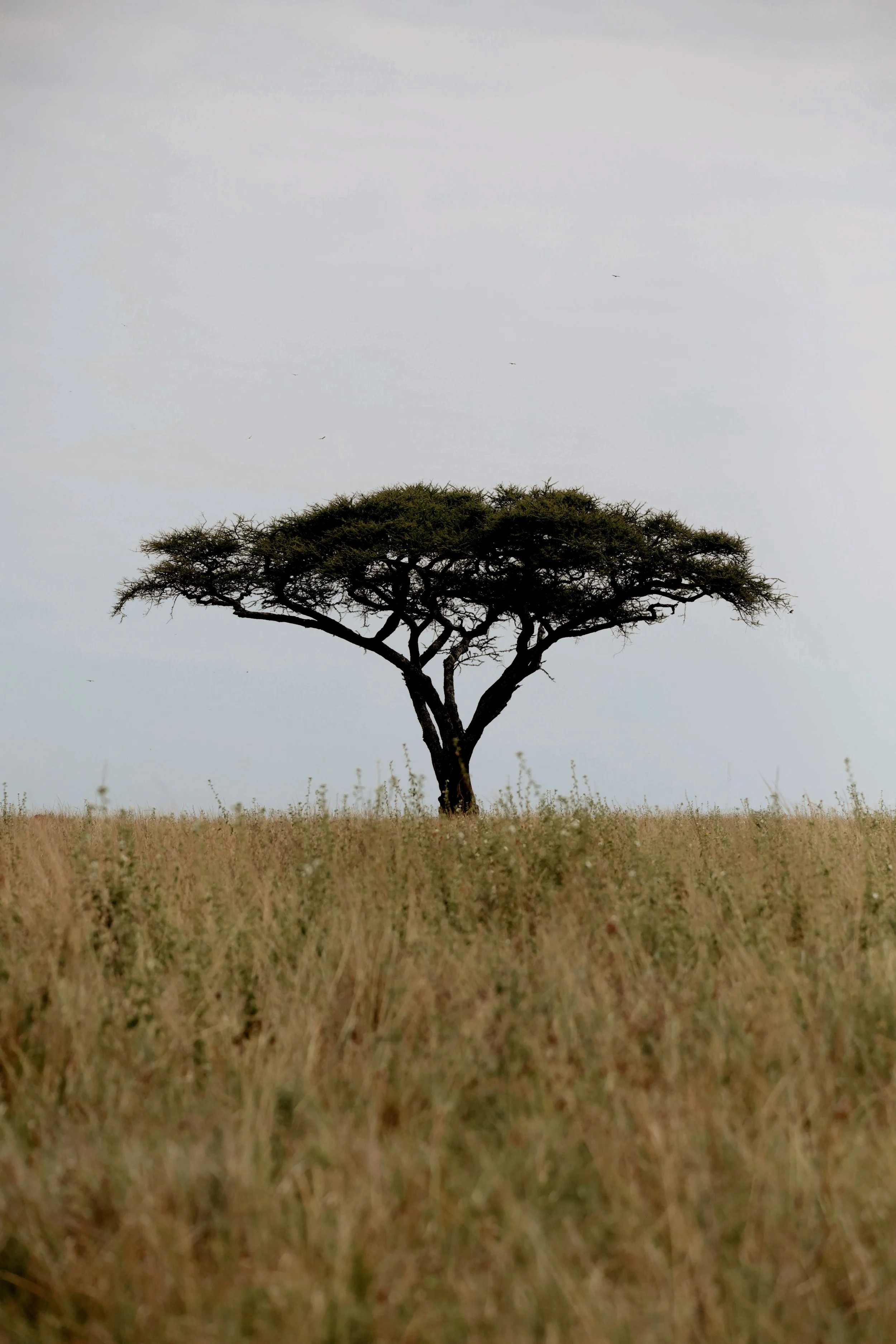
From there, we cross directly from the Ngorongoro Conservation Area into the Serengeti, and the landscape opens up in a way that is genuinely difficult to describe. The afternoon game drive through the western corridor is one of my favorite parts of this entire itinerary, with wildlife visible from the road, the golden-hour light doing what it does in East Africa, and the anticipation of a proper safari lodge waiting at the end. By the time we arrive and settle in for the evening, the Serengeti will already have made its case.
The Serengeti: The Part You Already Know You Need
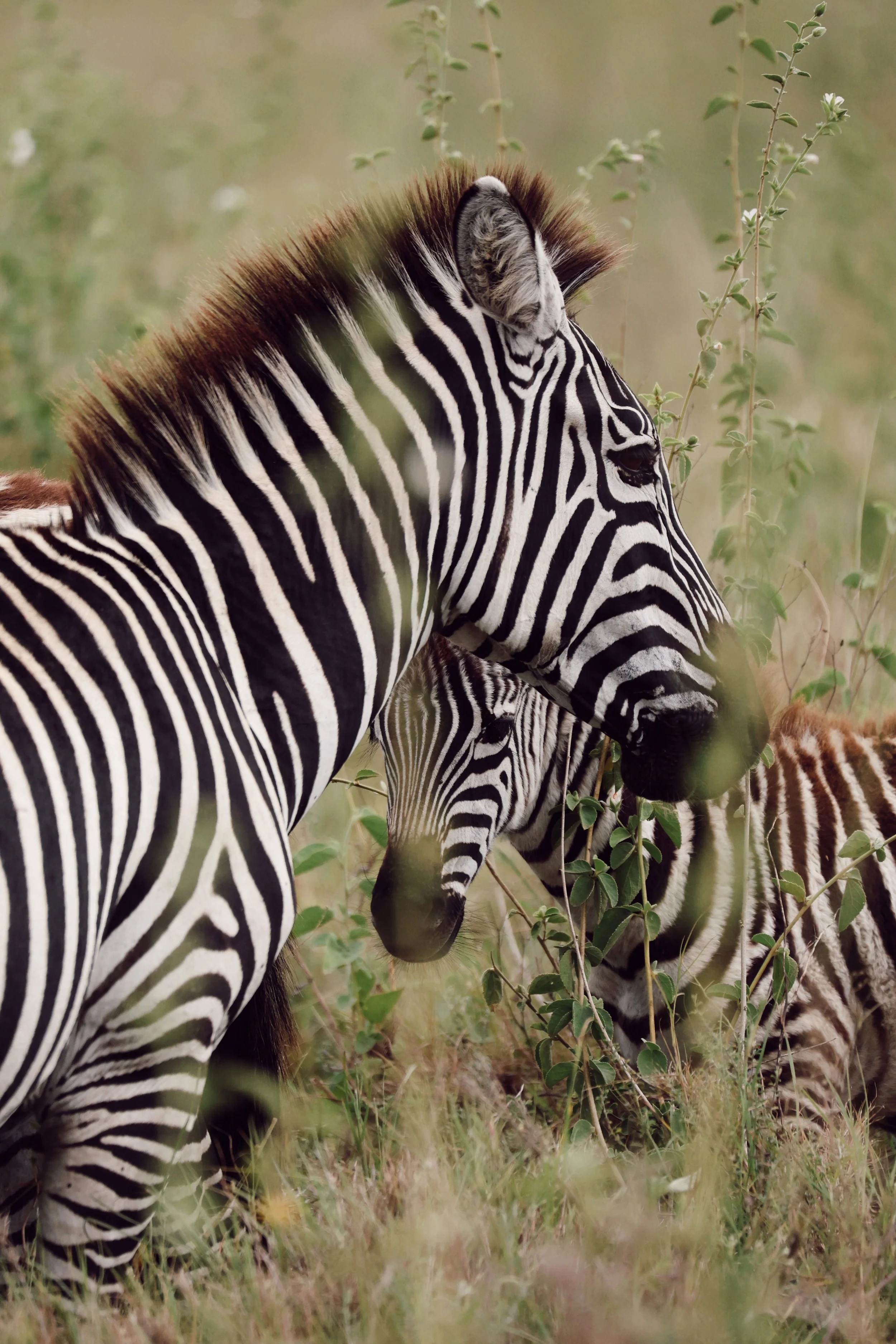
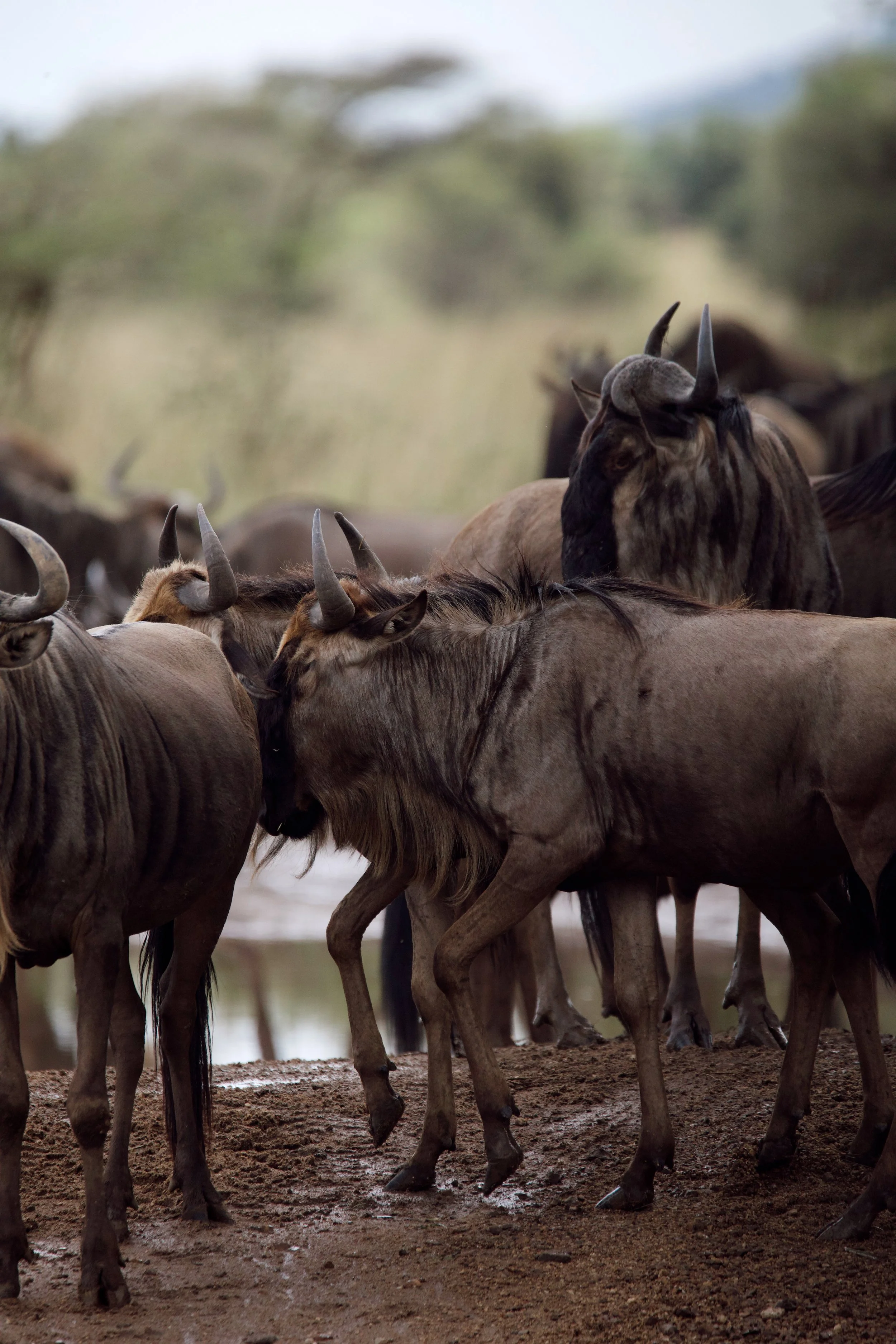
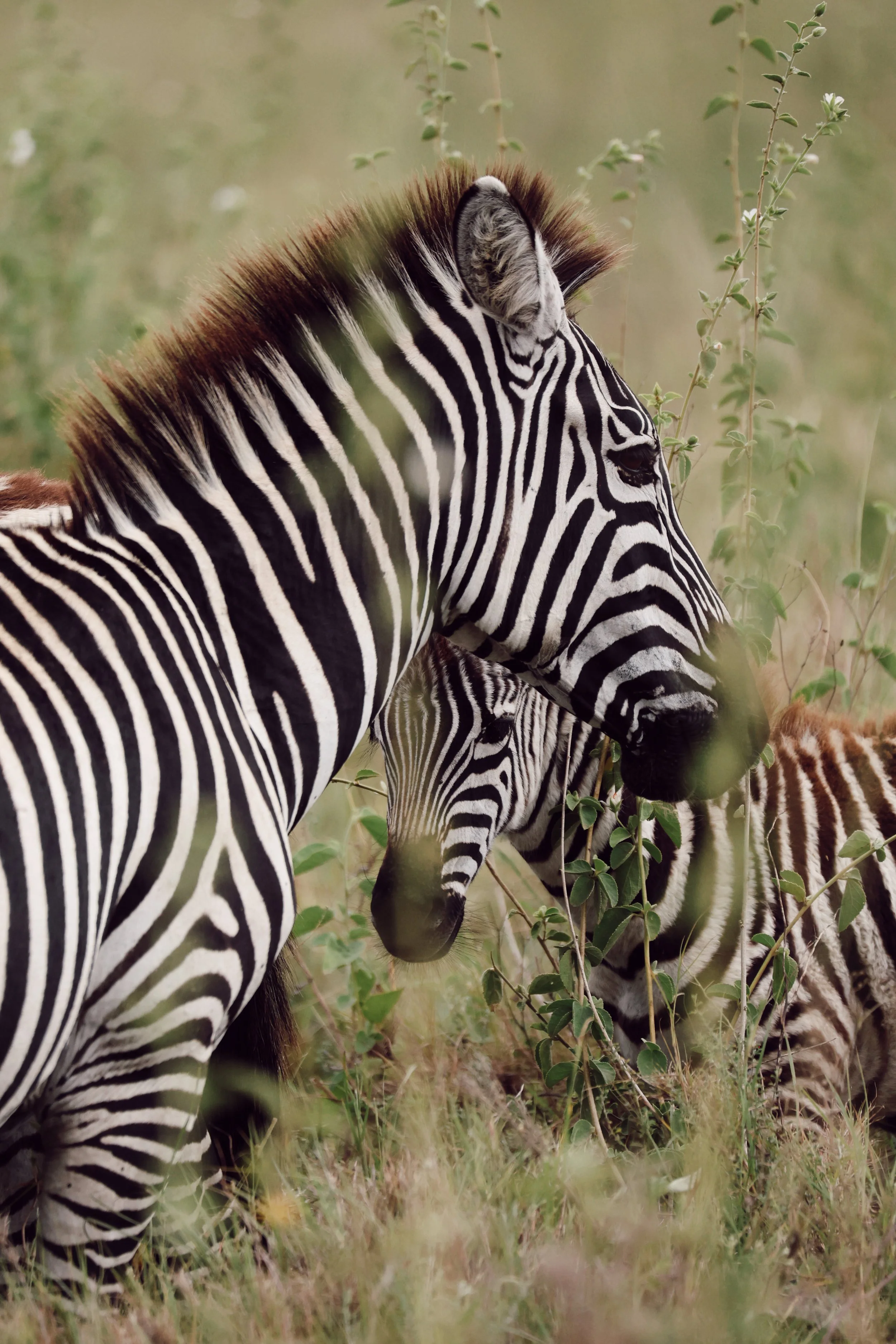
The Serengeti is the largest intact savannah ecosystem on earth. It covers nearly 15,000 square kilometres of open grassland and woodland that supports more large mammals than anywhere else on the planet. This is where the Great Migration happens, the annual movement of over a million wildebeest and hundreds of thousands of zebra following rain and grass across a landscape that has not fundamentally changed in millennia.
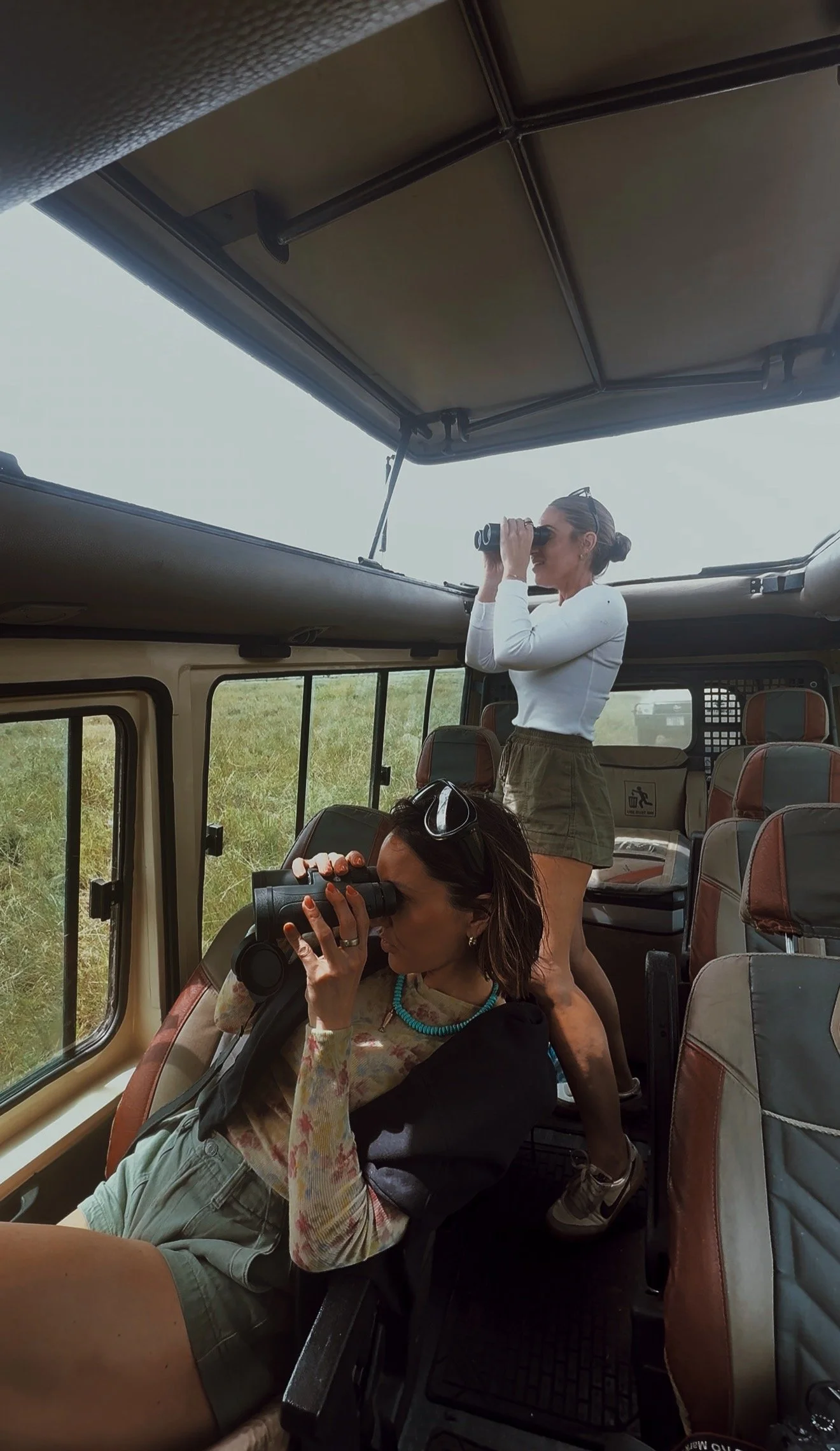
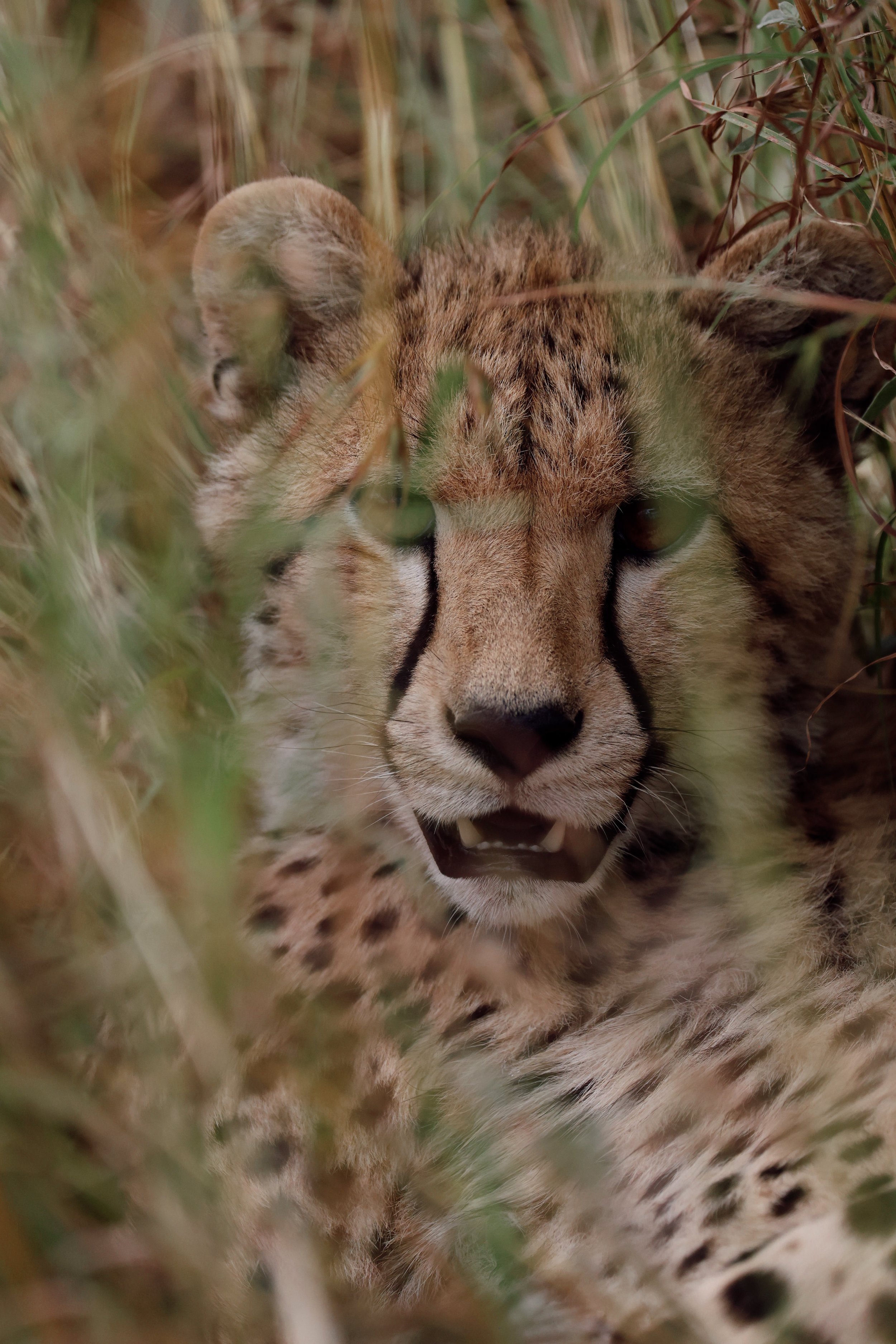
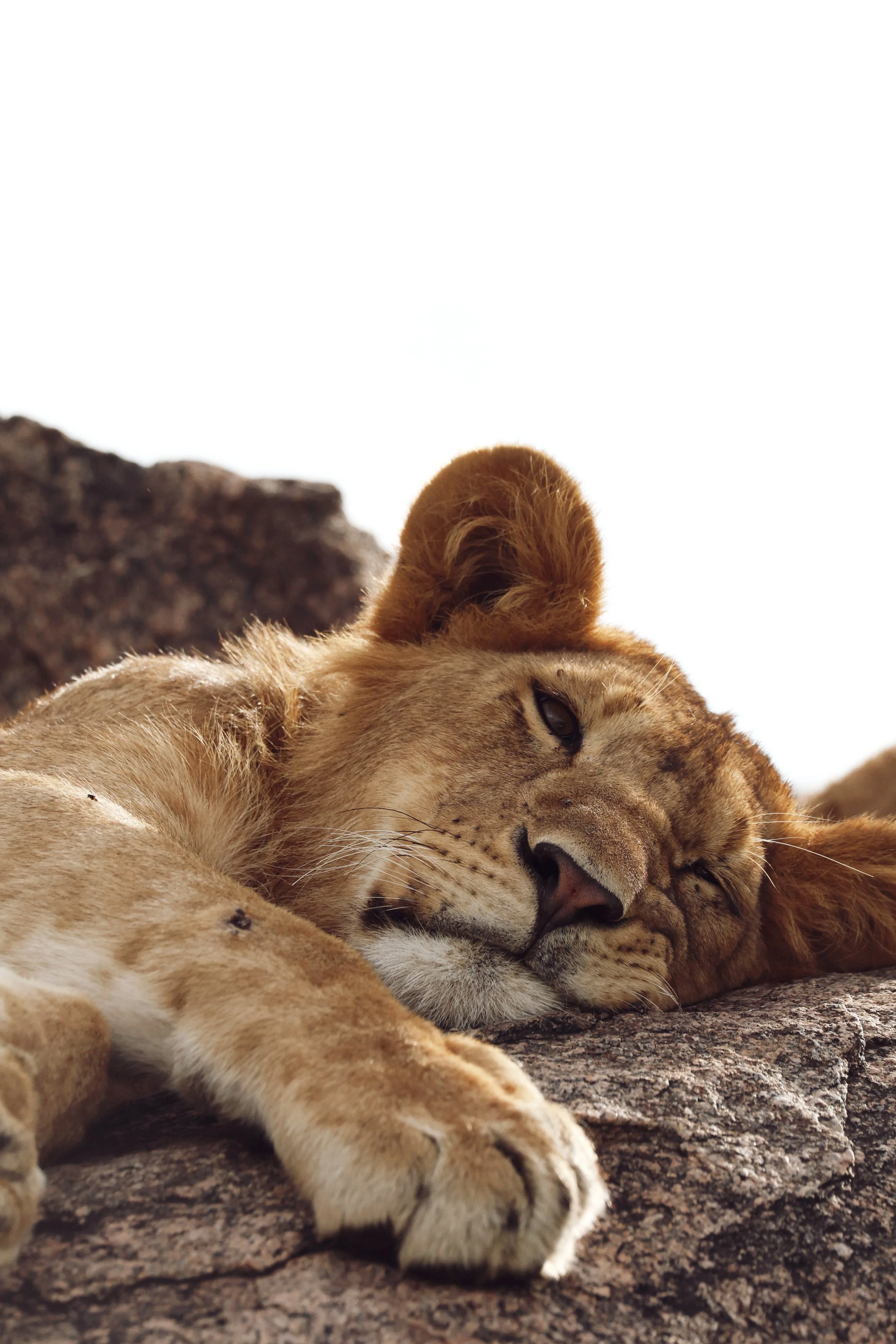
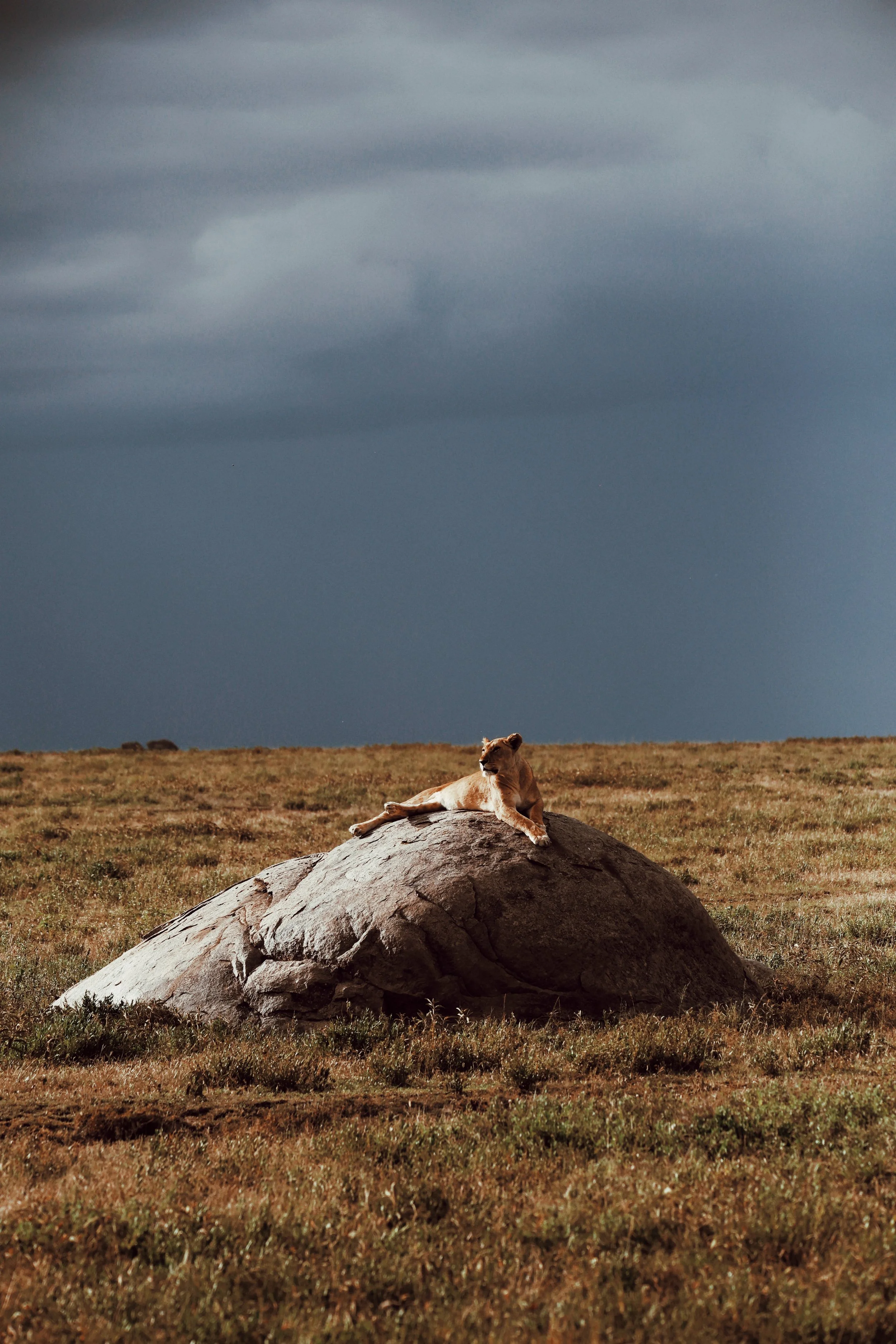
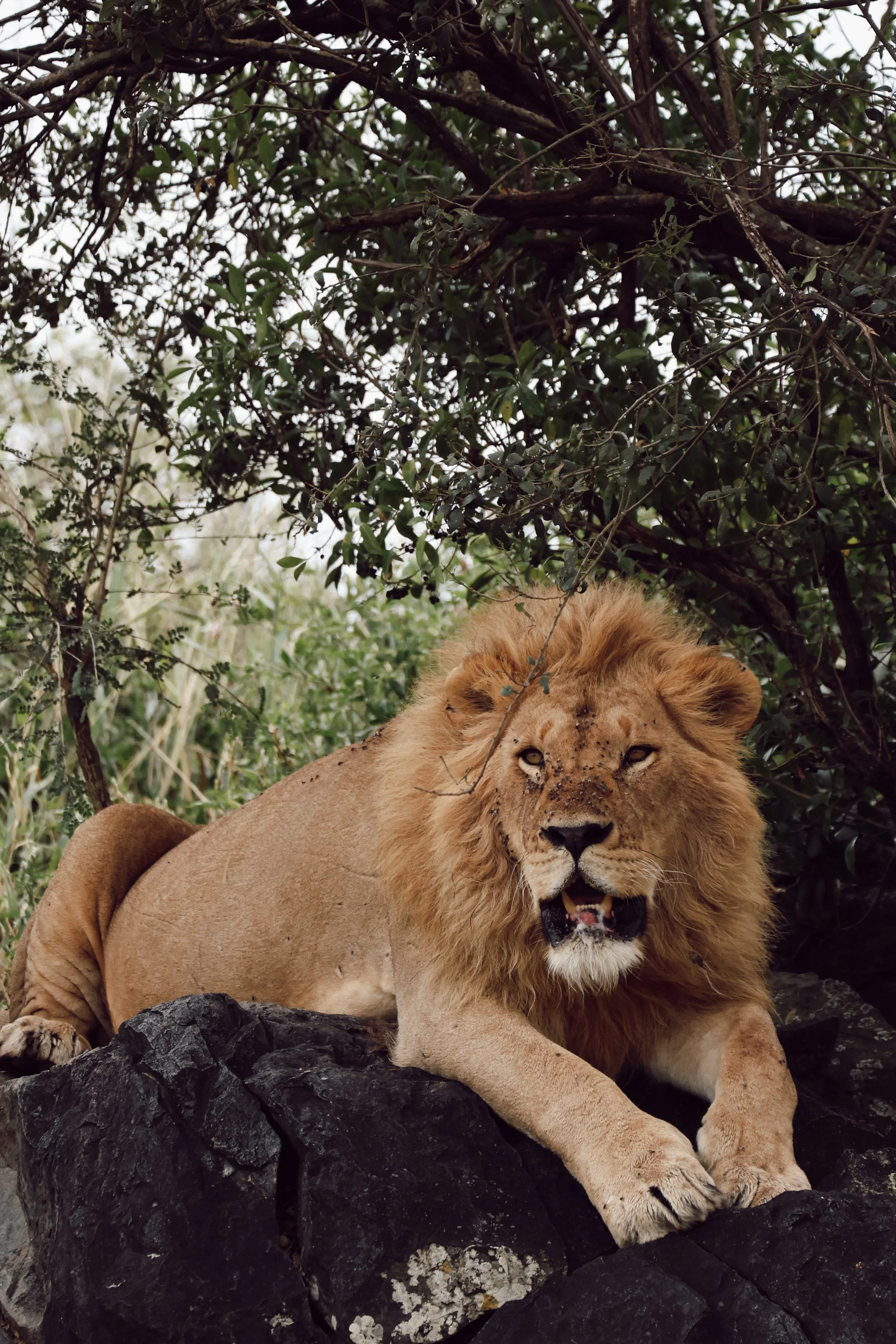
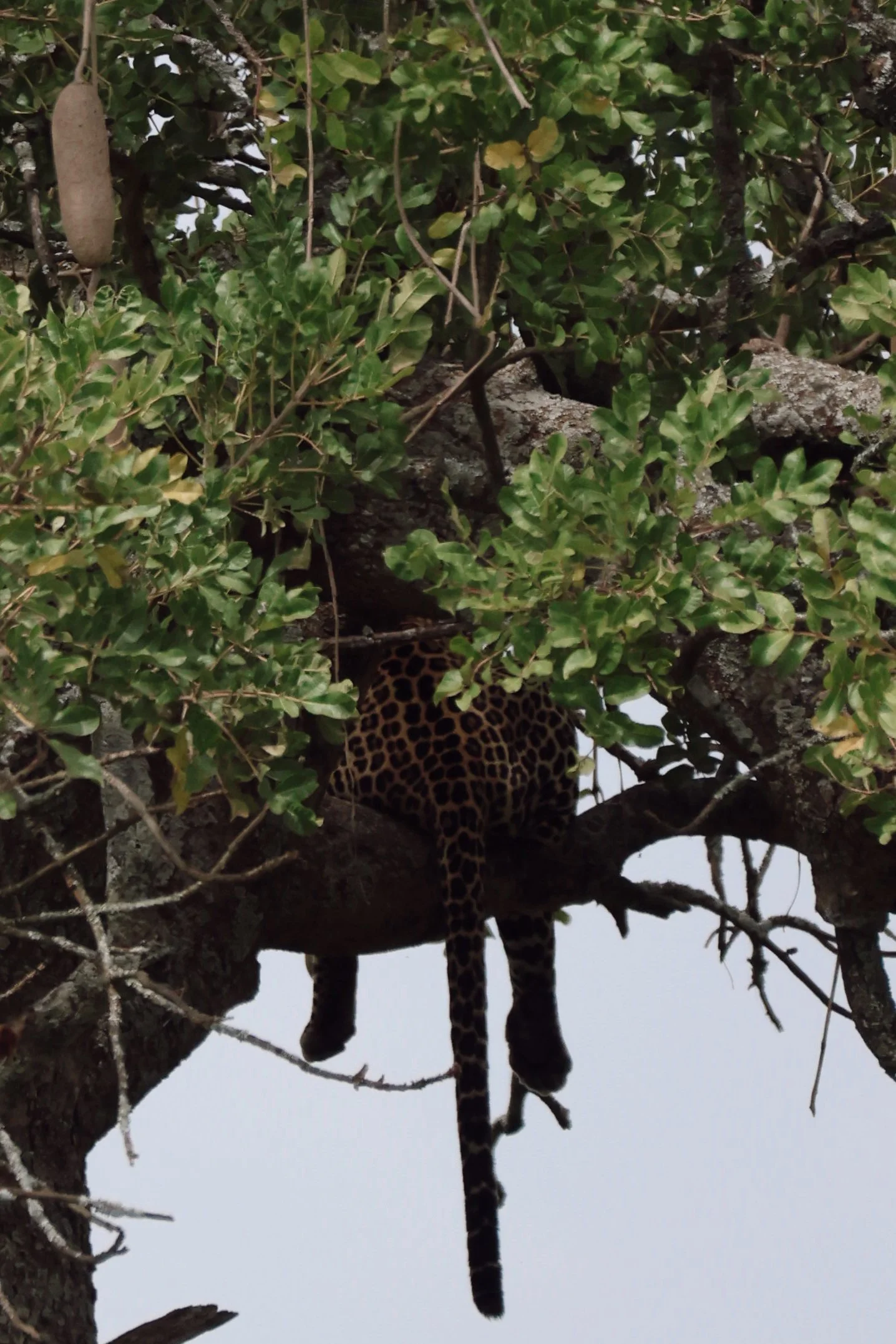
We spend a couple of days in the Serengeti, and I want you to think about what that means. Days in a private 4x4 with a professional guide who has spent his career learning this landscape, reading movement in the grass that you would miss in an hour of looking, positioning the vehicle so the light is right and the animals are calm and the experience lands as fully as it possibly can. We’ll look for cheetahs, leopards, and lions. Observe thousands of wildebeest and zebras, find hippos, and watch elephants. You will see things that you will spend the rest of your life trying to describe at dinner parties and never quite manage.
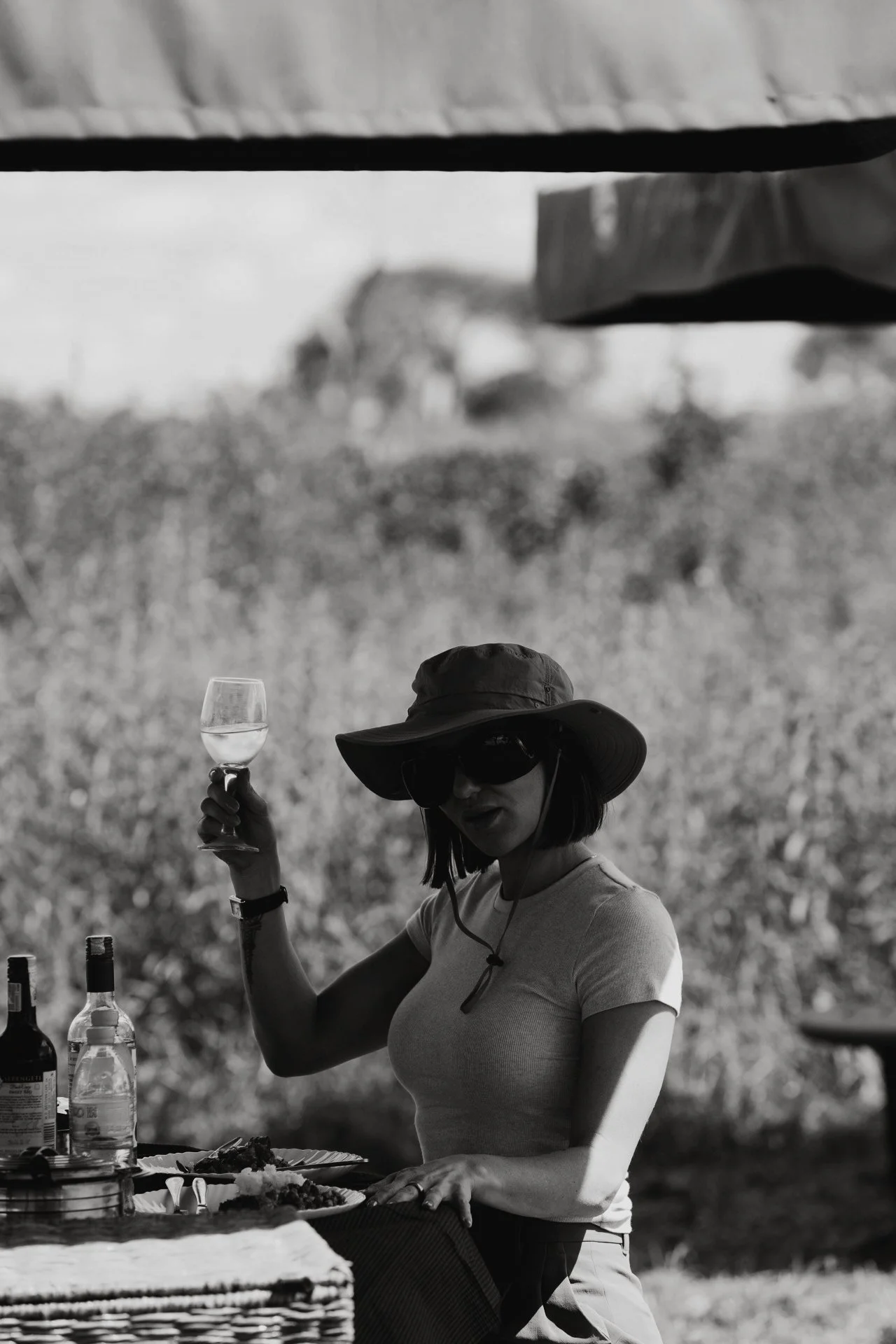
This is also where the trip finds its stride. By the time you are two days into the Serengeti, the women you arrived with as strangers have become something else entirely. There is a particular kind of bonding that happens when you have collectively watched a pride of lions at sunrise and eaten a dusty picnic lunch in the middle of nowhere and laughed until your stomach hurt over something that would not be funny anywhere else. It happens faster out here than it does anywhere else, and it happens without anyone trying.
The lodges we stay in are a significant part of that. These are not rooms you pass through. They are places you genuinely want to linger in, built into the landscape in a way that makes the wildlife feel like a natural extension of the view rather than something happening at a distance. There is a real possibility that you will wake up on your first morning in the Serengeti, walk out with your coffee, and find elephants below you. Not metaphorically. Not in a painting on the wall. Actually below you, moving through the bush in the early light while the rest of the camp is still quiet. I cannot promise it, but I can tell you that it happens, and that there is nothing quite like standing there in your pajamas, realizing that this is just a Tuesday on this trip.
Ngorongoro Crater: A Wonder of the Natural World
The Ngorongoro Crater is a UNESCO World Heritage Site, one of the natural wonders of the world, and a place that I genuinely cannot prepare you for. It is a 260-square-kilometer volcanic caldera, a collapsed volcano whose walls now form a natural enclosure for one of the most densely populated wildlife ecosystems on earth. You descend into it by road, and the crater rim rises around you on all sides, and there is a particular feeling that moment produces — something between awe and smallness and gratitude — that I want you to have for yourself without me over-describing it.
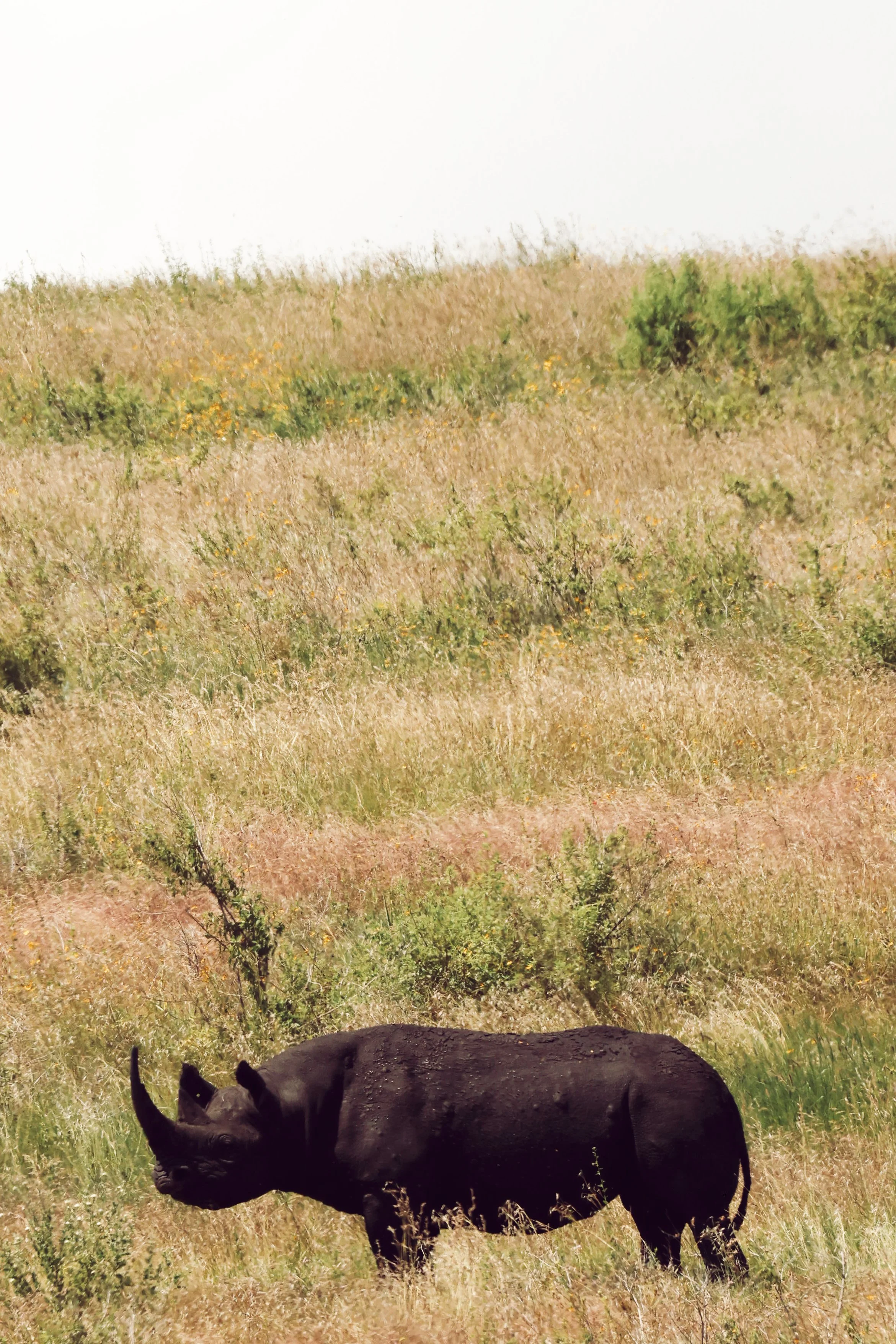
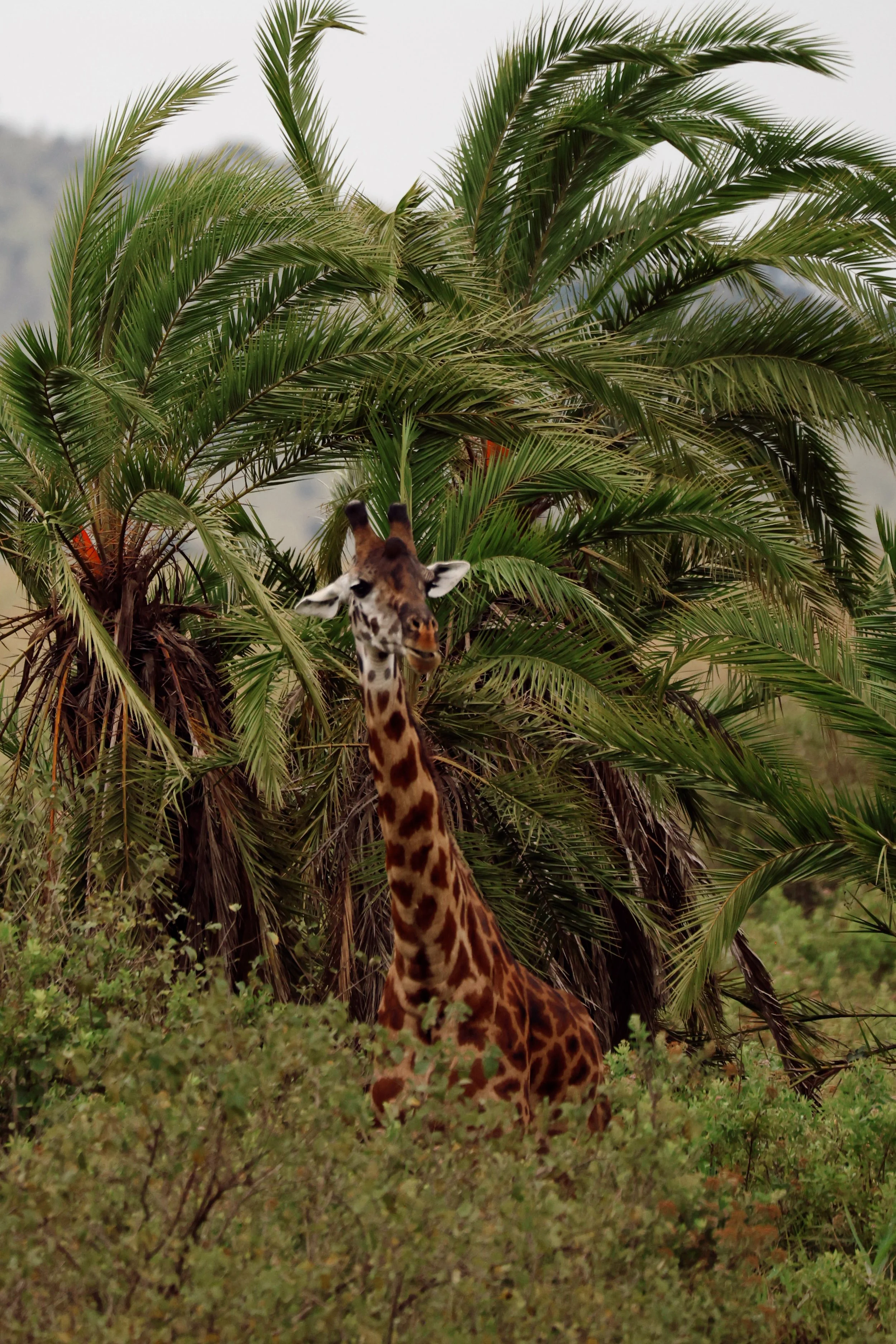
Inside the crater you will find lions, elephants, hippos wallowing at the edges of shallow lakes, flamingos turning the soda lakes pink, and if the morning is right and luck is with us, a black rhino in the distance. There are fewer than 700 black rhinos left in Tanzania…and only 25-35 of them roam in that crater. To see one in the wild is a privilege that very few people in the world will ever have. We will have a picnic lunch on the crater floor, which is a sentence I will never stop finding extraordinary, and then we transfer to the highland area above the crater rim for a quieter final evening on safari before the journey shifts entirely.
And Then: Zanzibar
On day six, you board a domestic flight from Arusha to Zanzibar, and the trip shifts completely. The Indian Ocean comes into view from your plane window in a shade of turquoise that has no business being that colour. You land on an island that smells like cloves and sea air, and the pace of everything that follows is entirely yours to set. For the next three days, there are no game drive alarms. There are no vehicles waiting, and there is nothing on the agenda except whatever you decide to put on it.
This is intentional. The safari portion of this trip is full and rich and genuinely demanding in the best possible way, and Zanzibar exists in this itinerary specifically to give your nervous system somewhere to land. Three days of all-inclusive beach time where the biggest decision you'll make is whether you want to be horizontal by the pool or horizontal by the ocean. Both are correct answers.
For the women who want to keep moving, the options are there. Stone Town is a UNESCO World Heritage Site worth at least a half day, a dense and layered city where centuries of Swahili, Arab, Portuguese, and British history all occupy the same narrow streets and ornately carved doorways. The Prison Island excursion and the Nakupenda sandbank, a white sand bar sitting in the middle of open water, are both available as optional add-ons. Snorkeling, spice tours, sunset dhow cruises, all of it is on the table if you want it.
But if what you need after five days in the bush is to do absolutely nothing, Zanzibar will not argue with you. It will hand you a drink and point you toward the water, and that will be exactly enough.
The Details
This is a nine-day private safari and beach journey through northern Tanzania and Zanzibar in partnership with a licensed Tanzanian tour operator based in Arusha. The trip includes a private 4x4 safari vehicle with a professional guide, all park entry and conservation fees, full board meals throughout the safari, all-inclusive accommodation in Zanzibar, all transfers, and the domestic flight from Arusha to Zanzibar.
Not included: international flights, visa fees (approximately $50 USD for most nationalities, available on arrival or online in advance), tips for local guides and lodge staff, travel insurance (please always get travel insurance), and optional activities like the hot air balloon safari over the Serengeti and add-ons in Zanzibar
The trip launches this Sunday, May 31st @ 10 AM PST. The waitlist is now open, and I encourage you to join it before the launch date by clicking this link.
